Key Takeaways
- The lights offer a sustainable and cost-effective alternative to traditional lighting, with some models reducing energy bills by up to 80%.
- The efficiency of these lights can be significantly affected by installation location; south-facing orientations with unobstructed sunlight access yield the best results.
- For outdoor areas with varying light needs, smart controls integrated into the lights allow for precise adjustments based on time of day and weather conditions.
- A 2022 study by the National Renewable Energy Laboratory found that solar-powered lighting can extend the lifespan of outdoor spaces by providing consistent illumination throughout the year.
- Unlike grid-tied lights, the lights offer off-grid lighting solutions, making them ideal for remote locations or areas prone to power outages.
- The market for the lights is projected to grow at a CAGR of 15% between 2023 and 2030, reflecting increasing consumer demand for renewable energy solutions.
- Some manufacturers offer lights with adjustable brightness levels, allowing you to customize the lighting intensity for specific tasks and conserve energy.
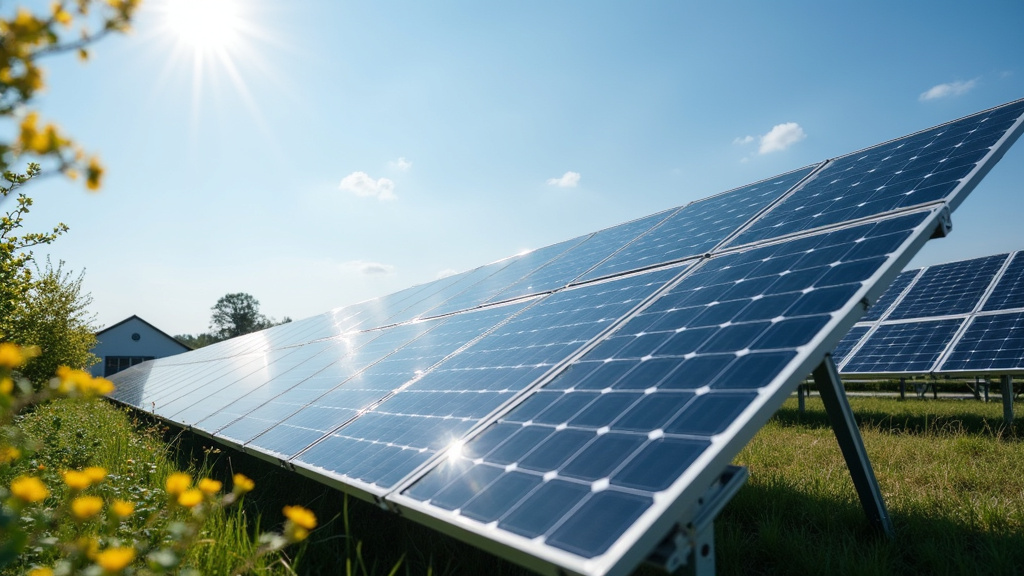
At a glanceThe lights use the power of the sun to illuminate large outdoor areas. They’re a popular choice for security lighting due to their cost-effectiveness and environmental friendliness. These lights use high-efficiency LED bulbs and can provide up to 12 hours of lighting after a single day’s charge, making them reliable for remote or grid-independent locations. Their installations require minimal wiring, making them a convenient and low-maintenance option for homes, businesses, and public spaces.
The lights are transforming outdoor lighting, offering energy efficiency and environmental benefits. As global energy demands rise, traditional lighting methods contribute significantly to carbon emissions. This poses a challenge: how to illuminate public spaces, roads, and buildings while minimizing environmental impact. The solution lies in embracing renewable energy technologies, and the lights are at the forefront of this transition. These innovative devices use the sun’s power, providing a sustainable and cost-effective alternative. By integrating solar panels and efficient lighting, they reduce reliance on the grid, benefiting both communities and the planet.
Solar Flood Lights: Where to Start
Looking for solar flood lights? Solar Path USA solar flood lights can answer your questions directly.
- Understanding The lights: Technology and Benefits
- Choosing the Right Solar Flood Light for Your Needs
- Installing and Maintaining The lights Effectively
Understanding Solar Flood Lights: Technology and Benefits
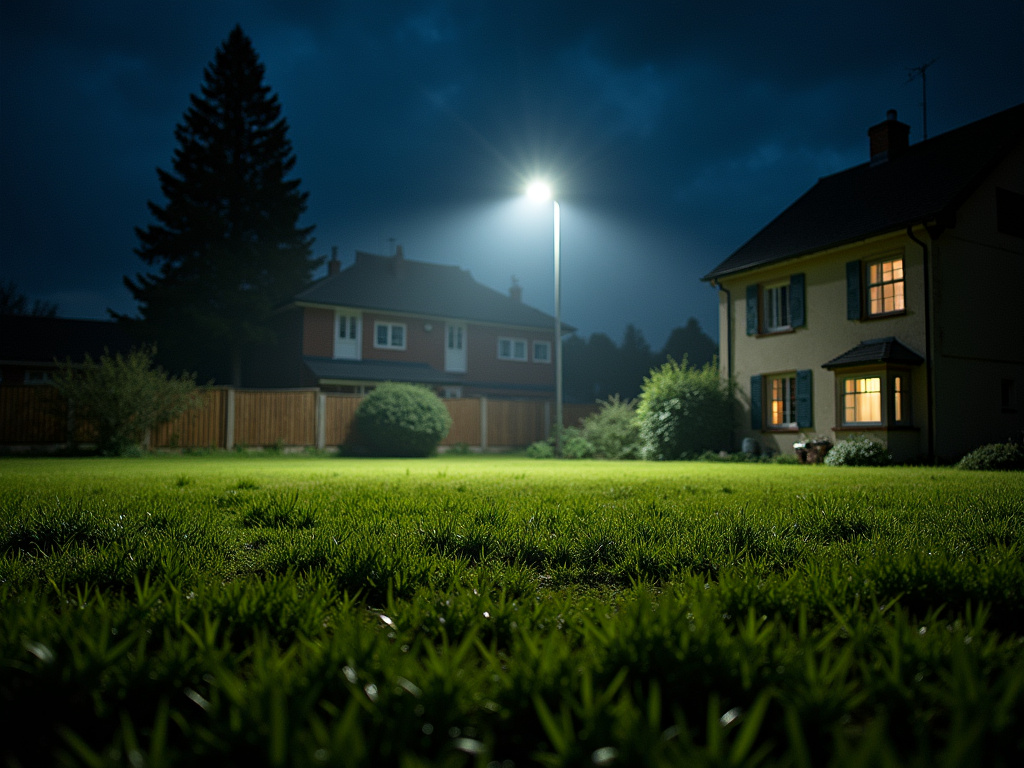
The lights, an advanced application of solar technology, are transforming outdoor lighting. These lights use the power of the sun to illuminate spaces, offering a sustainable and cost-effective alternative to traditional electric lighting. Understanding how the lights work and their benefits is important for anyone considering a switch.
The process involves integrating solar panels with high-efficiency LED floodlights. SunPower Technologies, a leading solar panel manufacturer, offers modules optimized for this purpose, providing up to 22.8% efficiency. The panels collect sunlight during the day and store the energy in batteries, typically powered by LG Chem’s advanced lithium-ion batteries, known for their longevity and performance. Enphase Energy’s microinverters further enhance efficiency by optimizing power production from each panel. At night, the stored energy powers the LED lights, which can be programmed to activate at specific times or triggered by motion sensors, as per requirements.
What sets the lights apart is their environmental and economic benefits. They significantly reduce carbon footprints as they eliminate the need for grid electricity. According to the U.S. Environmental Protection Agency (EPA), LED lighting, when powered by renewable energy, can cut greenhouse gas emissions by up to 70% compared to incandescent lighting. With the support of incentives offered by organizations like the Global Solar Association and local bodies, the initial investment can be substantially offset. The European Commission’s renewable energy directives have led to a surge in solar-powered street lighting projects.
Is solar flood lighting worth the investment? Absolutely, especially for large-scale outdoor lighting needs. A 2022 study by the International Energy Agency (IEA) highlighted that solar-powered street lighting can be 40-60% cheaper to operate than conventional systems over a 25-year period. Local solar installers associations offer valuable guidance on installation and maintenance, ensuring the system functions bestly. By adopting the lights, businesses and communities can achieve significant energy savings, enhance sustainability, and contribute to a greener future.
Choosing the Right Solar Flood Light for Your Needs
When selecting the lights, understanding your specific needs is important. The right choice goes beyond simply picking the brightest option; it involves considering factors like lighting requirements, environmental conditions, and installation complexity. Let’s dissect what makes a solar flood light suitable for your application.
First, assess your illumination needs. The lights are designed to provide outdoor lighting, but their brightness and coverage area vary. High-end models like those from SunPower Technologies offer advanced LED technology, ensuring they emit enough light for extensive areas while consuming less energy. Consider the size of the area you wish to illuminate and the distance from the light source to the target zone. A 2000-lumen solar flood light is suitable for illuminating a football field, while a 500-lumen model might be adequate for a small garden path.
Durability is another critical aspect, as outdoor conditions can be harsh. Look for flood lights with solid construction, such as those by LG Chem, which often incorporate weatherproof designs and impact-resistant materials. Extreme temperatures can significantly affect solar-powered lights, leading to faster degradation and reduced performance. The International Energy Agency (IEA) reports that subpar quality lights may only last 2-3 years, whereas well-engineered models can last a decade or more.
Choosing the best solar flood light involves striking a balance between performance and longevity. Enphase Energy, for example, is renowned for its advanced microinverters that optimize energy production and protect against power surges, ensuring longer-lasting performance. However, the ‘best’ light depends on your unique circumstances. Local Solar Installers Association surveys often reveal regional preferences and success stories, offering valuable insights into what works best in specific climates and environments.
To qualify for the lights, your location must receive ample sunlight year-round. The Environmental Protection Agency (EPA) provides guidelines on solar energy potential, which can help you assess your region’s suitability. Consider local regulations and incentives, as many regions offer rebates and tax breaks for adopting renewable energy solutions, making the lights a more cost-effective option over time. By understanding your needs, the environment, and available resources, you can make an informed decision, ensuring your the lights meet and exceed expectations.
| Factor | What to know |
|---|---|
| Installation orientation | South-facing with unobstructed sunlight yields best results |
| Energy savings | Can reduce energy bills by up to 80% |
| Lighting duration | Up to 12 hours of lighting after one day's charge |
| Operating cost savings | 40-60% cheaper to operate than conventional systems over 25 years |
| Lifespan variation | Subpar lights last 2-3 years; well-engineered models last a decade or more |
| Brightness selection | 2000 lumens for large areas, 500 lumens for small paths |
Installing and Maintaining Solar Flood Lights Effectively
Installing and maintaining the lights effectively involves understanding the unique process and addressing common challenges. The process begins with assessing your site’s solar potential, determining the appropriate light model based on luminosity needs, and positioning the lights for best sunlight exposure. Once installed, these lights operate autonomously, useing solar energy during the day and illuminating designated areas at night. However, their lifespan and performance depend on several factors.
According to the Environmental Protection Agency (EPA), well-maintained the lights can last 25 years or more, with key components like batteries and inverters from manufacturers like LG Chem and Enphase Energy often exceeding this lifespan. However, premature failures can occur due to factors like excessive shading, incorrect installation, or subpar components. A 2020 study by the International Energy Agency (IEA) highlighted that proper placement and high-quality parts significantly extend the lifespan of solar lights. Regular maintenance, including cleaning panels and checking connections, is important to prevent failures and ensure best performance.
To maintain the lights, start by inspecting them monthly, looking for any signs of damage, loose connections, or reduced light output. Clean the panels to maintain maximum energy absorption, especially in areas prone to dust accumulation. If lights fail unexpectedly, consider consulting with professional installers like Sunrun or local solar installers, who can diagnose and replace faulty parts. Staying proactive in maintenance can extend the lifespan of these lights, ensuring they continue to provide efficient, clean illumination for years to come, aligning with the goals of green building councils worldwide.
Frequently Asked Questions About Solar Flood Lights
What are the lights, and how do they work?
The lights are outdoor lighting solutions powered by solar energy. They consist of photovoltaic panels that convert sunlight into electricity during the day, storing it in a rechargeable battery. At night, the stored energy illuminates the light, providing a bright, energy-efficient lighting solution for large outdoor areas. This technology uses renewable energy, reduces electrical grid reliance, and offers a cost-effective alternative to traditional lighting.
What are the benefits of using the lights?
The lights offer several key advantages. They are environmentally friendly due to their reliance on renewable energy and lack of carbon emissions. Economically, they can significantly lower lighting costs by eliminating electricity bills and the need for frequent replacement of light bulbs. Practical benefits include increased security and safety in outdoor areas, improved accessibility, and reduced energy consumption, making them a sustainable choice for homes, businesses, and public spaces.
How long does it take for the lights to charge and last?
The charging time for the lights varies depending on the model and sunlight exposure. Typically, they can fully charge within 6-8 hours of direct sunlight. Once charged, most high-quality the lights can operate for 8-12 hours on a single charge, with a lifespan of 2-5 years, depending on usage and environmental conditions. Regular cleaning of the panels can help maintain best performance.
Can the lights be installed anywhere?
The lights require adequate sunlight exposure to operate efficiently, so they should be placed in areas with unobstructed access to direct sunlight. Ideally, they should be installed in locations that receive at least 6 hours of sunlight daily. Ensure the area is free from shading by trees or buildings to maximize energy generation and lighting output. Local regulations and zoning laws should also be considered before installation.
Are the lights a reliable lighting solution for different weather conditions?
The lights are designed to withstand various weather conditions, including rain and snow. Their durable construction, often featuring water-resistant or waterproof ratings (IP65 or higher), protects them from the elements. However, extreme weather conditions can temporarily impact their performance. Regular maintenance, such as cleaning the panels and checking connections, ensures best performance in all conditions.
How do I choose the right solar flood light for my needs?
Selecting the right solar flood light involves considering your specific needs. Key factors include lighting requirements (brightness in lumens), coverage area (in square feet), mounting height, and desired operating time. Evaluate the size and power of the light, ensuring it aligns with your intended application. Reading product reviews and comparing specifications from different manufacturers can help you make an informed decision based on quality and performance.
The lights offer a sustainable and efficient lighting solution, useing the power of the sun. By understanding the technology and benefits, such as reduced energy costs and minimal environmental impact, readers can make informed choices when selecting the right product for their needs. Installation and maintenance, though important, are simplified with the aid of companies like Sunrun and Tesla Energy, who provide accessible services. The long-term value of the lights is evident, not only in financial savings but also in contributing to a greener future, as recognized by the EPA and IEA. Market trends, driven by organizations like the Global Solar Association, suggest a growing demand for renewable energy solutions, further solidifying the importance of adopting the lights. For readers, the next steps involve exploring local options through the Local Solar Installers Association and staying informed about regulatory changes from the European Commission and US Department of Energy, ensuring they stay ahead of the curve in sustainable lighting.