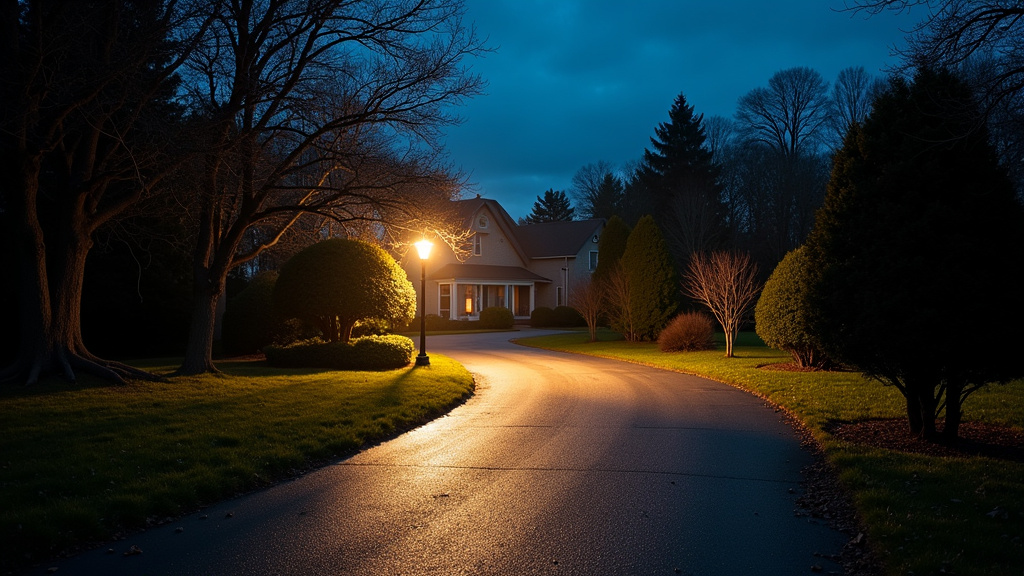
Illuminating the Path to Sustainable Lighting: The Rise of Solar Flood Lights
What are Solar Flood Lights?
Solar flood lights are revolutionary outdoor lighting solutions powered by the sun. Unlike traditional floodlights, these innovative devices utilize solar panels to capture and convert sunlight into electricity, storing energy in rechargeable batteries. This eco-friendly design allows for continuous illumination even without access to a power grid, making them ideal for remote areas, outdoor events, and sustainable home lighting.
Key Benefits:
- Environmental Friendliness: Solar energy is a renewable and clean source, reducing carbon footprint and electricity bills.
- Cost-Effectiveness: While initial installation costs are higher, solar flood lights offer long-term savings with no utility bills.
- Versatility and Reliability: Suitable for various applications, from garden lighting to street lighting, providing consistent brightness even during power outages.
- Low Maintenance: With minimal moving parts, these lights require little upkeep.
Unlocking the Potential: A Comprehensive Look at Solar Flood Lights
Market Landscape:
The global solar floodlight market is experiencing significant growth, projected to reach USD 1.2 billion by 2027, reflecting a CAGR of 18.5% (2022-2027). This boom driven by increasing awareness of environmental sustainability, advancements in solar technology, and declining costs.
Key Features & Comparisons:
| Feature |
Standard Models |
Premium Models |
| Brightness (Lumens) |
500-10,000 lumens (varied based on power output) |
10,000-20,000 lumens+ (higher efficiency LEDs) |
| Solar Panel Efficiency |
15-22% (average) |
22-25% (high-efficiency monocrystalline panels) |
| Battery Capacity (Wh) |
3-20 kWh (depending on light duration and power) |
10-30 kWh (longer runtime, higher cost) |
| Operational Temperature Range (°C) |
-20°C - 60°C (wide adaptability) |
-40°C - 80°C (extreme conditions) |
| Waterproofing Rating (IP) |
IP65 (protected against dust, water spray) |
IP68 (completely sealed against dust and water submersion) |
| Mounting Options |
Wall-mounted, pole-mounted, ground-mounted |
Specialized mounting kits for various landscapes |
| Price (Average) |
$50 - $300 |
$300 - $1,000+ |
Detailed Feature Analysis:
- Brightness: Higher lumen values indicate brighter light output. Premium models offer significantly more lumens for longer-lasting illumination.
- Solar Panel Efficiency: Higher efficiency panels capture more sunlight, leading to faster charging and longer battery life.
- Battery Capacity: Larger batteries store more energy, allowing lights to operate for longer periods during periods of low sunlight.
- Temperature Range: Wider operating temperature ranges ensure robust performance in diverse climates.
- Waterproofing: IP68 rating guarantees complete protection against water damage.
- Mounting: Versatile mounting options cater to various installation needs.
Performance Metrics:
- Light Runtime: Premium models often boast runtime exceeding 12 hours on a single charge, while standard models may operate for 4-8 hours.
- Charge Time: Faster charging panels and larger batteries minimize downtime between uses.
- Energy Savings: Solar floodlights can save up to 80% on traditional lighting costs, depending on local electricity rates.
User Demographics:
Solar flood lights cater to diverse user groups:
- Homeowners: Seeking energy-efficient and secure outdoor lighting solutions.
- Businesses: Reducing security lighting costs and enhancing outdoor aesthetics.
- Farmers & Outdoor Operations: Relying on reliable lighting for night-time activities.
- Government Agencies: Implementing sustainable lighting infrastructure in public spaces.
Choosing the Right Solar Flood Light: A Step-by-Step Guide
1. Assess Your Lighting Needs:
- Location: Determine the area to be illuminated (pathways, gardens, parking lots, etc.).
- Illumination Requirements: Calculate the desired brightness (lumens) needed for the space.
- Operational Hours: Estimate the daily runtime required for optimal coverage.
2. Evaluate Your Budget:
- Solar floodlights span a wide price range.
- Determine your budget and prioritize features based on your needs and financial constraints.
3. Select the Right Technology:
- LED vs. Traditional Bulbs: LED lights are more energy-efficient, durable, and have longer lifespans.
- Panel Efficiency: Choose higher efficiency panels for faster charging and maximum energy capture.
4. Consider Mounting Options:
- Evaluate your available space and landscape. Wall-mounted lights offer flexibility, while pole-mounted lights provide wider coverage.
- Specialized mounting kits cater to unique installation challenges.
5. Ensure Quality and Reliability:
- Look for reputable manufacturers with positive customer reviews.
- Check for robust warranties and after-sales support.
- Verify certifications (UL, CE, etc.) for safety and quality assurance.
6. Installation and Maintenance:
- Follow manufacturer guidelines for optimal positioning and mounting.
- Periodically clean panels and inspect for damage.
- Replace batteries as needed, following manufacturer recommendations.
Case Studies: Real-World Applications
1. Sustainable Community Lighting:
A small town in California implemented solar-powered floodlights to illuminate public parks and walkways. The project resulted in:
- 80% reduction in annual lighting costs.
- Increased safety and security for residents.
- Positive community feedback on the aesthetic improvements.
2. Farm Security and Efficiency:
A Midwest farmer installed solar floodlights to secure his livestock area and reduce reliance on diesel generators. Benefits included:
- Lower operating costs and reduced environmental impact.
- Improved night-time visibility for worker safety.
- Enhanced livestock security and peace of mind.
3. Eco-Friendly Event Lighting:
A festival organizer in Texas utilized solar floodlights for a music festival, achieving:
- Zero carbon footprint for the event's lighting needs.
- Cost savings on temporary electrical infrastructure.
- Positive environmental impact and sustainability recognition.
Market Trends and Future Outlook
The solar floodlight market is poised for continued growth, driven by:
- Increasing Environmental Awareness: Growing global focus on sustainability and reducing carbon footprints.
- Technological Advancements: Ongoing improvements in solar panel efficiency, battery technology, and LED lighting.
- Government Incentives: Many governments offering rebates and incentives for adopting renewable energy solutions.
Future trends include:
- Smart Integration: Integrating solar floodlights with smart home systems for automated control and monitoring.
- Enhanced Durability: Developing lights that are even more durable and weather-resistant.
- Customized Solutions: Tailoring lighting designs to meet specific customer needs and preferences.
Conclusion:
Solar floodlights offer a bright, sustainable future for outdoor lighting. With their energy efficiency, versatility, and cost-effectiveness, these innovative solutions are transforming the way we light our world. As technology advances and costs continue to decline, solar floodlights will become increasingly ubiquitous, illuminating both our homes and communities in a greener, more sustainable manner.
October 29, 2026
Authority
Solar flood lights offer a cost-effective, eco-friendly alternative to traditional lighting, reducing energy consumption and carbon footprint. They are especially useful for outdoor areas, providing security and visibility without electricity…
Read more →
October 27, 2026
Authority
Solar flood lights use the power of the sun to illuminate large outdoor areas. They're ideal for security lighting, offering a sustainable and cost-effective solution. These lights use high-efficiency LED…
Read more →
October 13, 2026
Authority
Solar flood lights are outdoor lighting solutions powered by the sun. They're energy-efficient, eco-friendly, and easy to install. These lights use solar panels to store sunlight during the day and…
Read more →
October 12, 2026
Authority
Solar flood lights are outdoor lighting solutions powered by the sun. They use solar panels to absorb daylight and store energy, then automatically turn on at night, providing bright illumination…
Read more →
October 11, 2026
Authority
Solar flood lights are energy-efficient outdoor lighting solutions that use sunlight during the day and shine bright at night. They are eco-friendly, cost-effective, and easy to install, making them perfect…
Read more →
October 10, 2026
Authority
Solar flood lights are powered by the sun and provide bright illumination for outdoor spaces. They're energy-efficient, eco-friendly, and easy to install, making them a popular choice for lighting up…
Read more →
October 9, 2026
Authority
Solar flood lights are outdoor lighting solutions powered by the sun. They're energy efficient, eco-friendly, and require no wiring. These lights use solar panels to store sunlight during the day…
Read more →
October 8, 2026
Authority
Solar flood lights are energy-efficient outdoor lighting solutions powered by the sun. They provide bright, adjustable lighting for security and visibility, charging during the day and lighting up at night…
Read more →
October 7, 2026
Authority
Solar flood lights are outdoor lighting solutions powered by the sun. They are energy-efficient, cost-effective, and eco-friendly, with adjustable brightness and timer settings. Ideal for security lighting, these lights illuminate…
Read more →
October 6, 2026
Authority
Solar flood lights are outdoor lighting solutions powered by the sun. They use solar panels to absorb sunlight during the day and store energy in batteries for night lighting. This…
Read more →