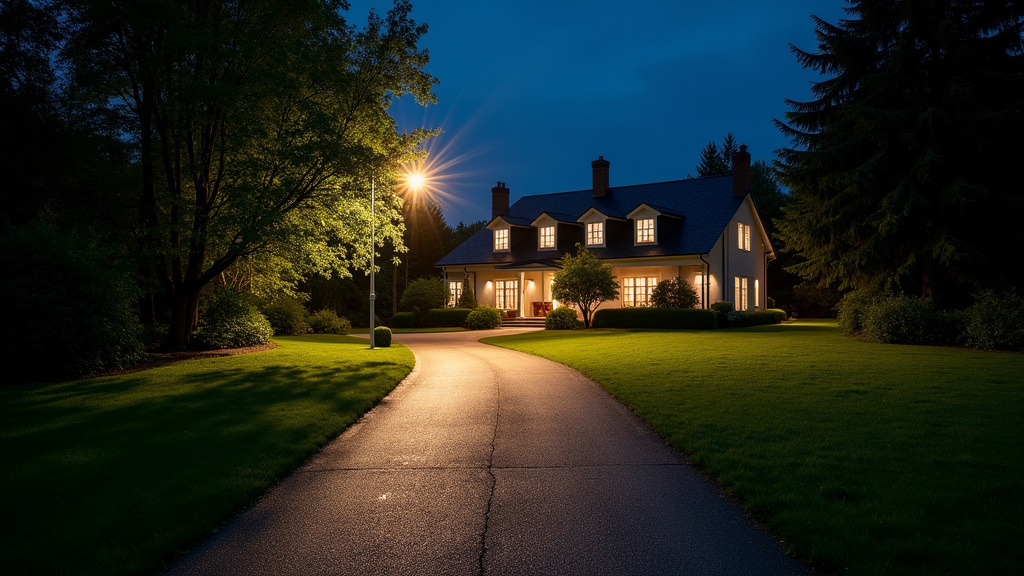
At a glanceSolar flood lights use the power of the sun to illuminate large outdoor areas. They’re ideal for security lighting, offering a sustainable and cost-effective solution. These lights use high-efficiency LED technology and can run for extended periods even after days without direct sunlight, thanks to their stored energy from solar panels. They’re popular choices for residential and commercial properties, promoting safety and energy savings.
Key Takeaways
- The lights offer a cost-effective and eco-friendly alternative to traditional lighting for outdoor areas, with some models providing up to 12 hours of illumination on a single charge.
- The efficiency of solar panels in floodlights varies, with modern high-efficiency panels boosting energy conversion rates to around 20%, ensuring more light and less waste.
- LED technology in solar floodlights has advanced significantly, with modern bulbs lasting 50,000 hours or more, reducing replacement costs and maintenance.
- Automatic sensors, such as motion detectors, can extend battery life by activating lighting only when necessary, enhancing security without excessive energy use.
- Choosing the right solar floodlight involves considering factors like lumens (brightness), IP rating (waterproofing), and charging time, ensuring best performance for your needs.
- Installation complexity varies by design, with some models requiring simple mounting while others necessitate professional wiring, influencing your DIY decision.
- Many modern solar floodlights are designed with weather resistance in mind, offering durability against harsh conditions, important for outdoor reliability and longevity.
The lights are transforming outdoor lighting, offering a sustainable and efficient alternative to traditional illumination. As energy costs rise and environmental concerns grow, the need for innovative lighting solutions is more pressing than ever. The problem lies in the inefficiency of conventional floodlights, which often rely on fossil fuels and contribute to light pollution and carbon emissions.
Solar Flood Lights in : Where to Start
Looking for solar flood lights in ? solar outdoor flood lighting serves the local area and can answer questions specific to .
Solar-powered floodlights present a compelling solution, leveraging renewable energy to provide reliable, clean lighting. This article examines into the features, environmental benefits, and market dynamics of The lights, exploring how they are reshaping urban fields and contributing to a greener future. We’ll draw on insights from industry leaders like SunPower Technologies, LG Chem, and Enphase Energy, and examine installation, maintenance, and regulatory trends.
- Understanding Solar Flood Light Technology
- Choosing the Right Solar Flood Light System
- Installing and Maintaining The lights Effectively
Understanding Solar Flood Light Technology
The lights have evolved from simple, inefficient models to sophisticated, high-performance solutions. Understanding the technology behind these lights is important for determining what is the best solar-powered floodlight and whether the lights are worth the investment. The core of these lights lies in their solar panels, which capture sunlight and convert it into electricity. Top manufacturers like SunPower Technologies use advanced cells with efficiencies exceeding 20%, ensuring maximum energy harvest even in partially shaded conditions.
The energy stored in these panels powers high-lumen LED bulbs, delivering intense, focused light for security and illumination purposes. The average solar flood light can emit around 1000 lumens, rivaling traditional incandescent bulbs but consuming a fraction of the energy. Enphase Energy’s microinverters, integrated in some models, optimize power production and ensure consistent performance even under varying weather conditions. This technology is particularly useful in regions with mixed sunlight conditions, enhancing the reliability of the lights.
When comparing the strongest the lights, factors like lumen output, panel efficiency, and battery capacity come into play. Some models, like those from LG Chem, boast panel efficiencies above 22%, while others feature advanced battery systems that can store energy for use during periods of low or no sunlight. The US Department of Energy projects a 25% increase in solar energy capacity by 2030, suggesting that the lights will only become more efficient and cost-effective. While upfront costs can be higher than traditional lighting solutions, the long-term savings and environmental benefits make the lights a compelling choice. Local Solar Installers Association can guide homeowners through the installation process, ensuring best performance and a smooth transition to clean energy.
Choosing the Right Solar Flood Light System
Choosing the right solar flood light system involves a balance of features, durability, and environmental impact. When considering the lights, it’s essential to understand that not all solutions are created equal. SunPower Technologies offers high-efficiency solar panels with advanced cell designs, ensuring superior performance compared to traditional models. Integrating these panels with LG Chem’s high-capacity batteries can extend lighting duration during periods of low sunlight, making them ideal for outdoor spaces that require round-the-clock illumination.
However, why do solar lights fail so quickly? often depends on the quality of components and installation. Enphase Energy’s microinverters, for example, enhance system efficiency by optimizing power production from each panel. Correct installation by certified local solar installers, such as those affiliated with the Local Solar Installers Association, can also significantly prolong the lifespan of the lights. Regular maintenance, including cleaning panels and checking connections, is important, as dust and debris buildup can reduce efficiency by up to 10%.
To answer the question, is The lights worth it?, consider the environmental and economic benefits. According to the Environmental Protection Agency (EPA), solar lighting reduces greenhouse gas emissions and water usage compared to conventional alternatives. The International Energy Agency (IEA) projects a 20% increase in renewable energy capacity by 2024, highlighting the growing viability of solar power. The lights can provide significant cost savings, with the US Department of Energy estimating a 5-10% return on investment within 5 years.
When selecting the strongest solar flood light, look for models with high lumen outputs and solid construction. Manufacturers like Tesla Energy produce lights with IP65 water resistance ratings and aluminum frames for durability. These features ensure the lights withstand harsh weather conditions, making them suitable for long-term outdoor use. Staying informed about market trends and regulations, such as those set by the Global Solar Association and the European Commission, can also guide your decision, ensuring you invest in a reliable and future-proof solar flood light system.
Installing and Maintaining Solar Flood Lights Effectively
Installing and maintaining the lights effectively requires a thoughtful approach to ensure they provide reliable illumination while preserving their longevity. When considering the strongest the lights, look no further than those engineered by industry leaders like SunPower Technologies and LG Chem. These manufacturers offer high-efficiency solar panels that maximize energy harvest, important for powering solid floodlights capable of illuminating large areas.
The best solar-powered floodlights aren’t just bright; they’re designed for adaptability. Enphase Energy, for instance, produces microinverters that optimize energy production and protect against power surges, ensuring your flood lights perform at their best. However, solar lights don’t always last forever. There are several reasons why they might fail more quickly than expected, including subpar components, incorrect installation, or harsh environmental conditions. To avoid premature failures, engage reputable installers like Sunrun or Tesla Energy, who adhere to industry best practices and use high-quality parts.
Regular maintenance, such as cleaning the panels and checking for loose connections, matters in extending the lifespan of your the lights. Local Solar Installers Association (LSIA) members can provide guidance on best maintenance routines tailored to your region and climate. In areas prone to heavy dust or debris, more frequent cleaning might be necessary. By prioritizing proper installation and routine care, you can ensure your the lights not only meet but exceed expectations, providing years of reliable, environmentally friendly illumination.
Frequently Asked Questions About Solar Flood Lights
What are the lights and how do they work?
The lights are outdoor lighting solutions powered by sunlight, using photovoltaic (PV) cells to convert daylight into electricity. They’re designed to illuminate large areas, like driveways, paths, and garden spaces, offering a sustainable and cost-effective alternative to traditional grid-tied lighting. Unlike conventional lights, these models store excess energy during the day in rechargeable batteries, ensuring continuous illumination at night.
What are the benefits of using the lights?
The lights offer several advantages: zero electricity bills, minimal maintenance, environmental friendliness (no greenhouse gas emissions), and increased property security. They’re also flexible, adaptable to various settings, and can be easily installed without complex wiring, making them a DIY-friendly option.
How do I choose the right solar flood light for my needs?
Consider light output (measured in lumens), which dictates brightness. Higher lumens are better for darker areas. Also, think about the light’s color temperature (warm vs. Cool), diffusion (for a softer light), and waterproof rating (important for outdoor use). Check battery capacity and solar panel size for longer run times and faster charging.
Where should I install the lights?
The lights should be placed in areas receiving direct sunlight for a significant portion of the day. Best placement varies: well-lit pathways need lower light output, while open fields require higher brightness. Aim for a location where the light shines directly onto the target area, avoiding obstructions like trees or bushes.
How long do the lights last?
With proper care, the lights can last 5-10 years or more. The lifespan depends on factors like battery quality, charging cycles, and exposure to extreme weather conditions. Regular cleaning of the solar panel and replacement of batteries (as needed) contribute to extended life.
Are the lights expensive to maintain?
Not at all. Since they’re solar-powered, there are no fuel costs associated with operation. Battery replacements (typically every 2-5 years) are minimal expenses compared to traditional electric lighting costs. The initial investment pays off over time through reduced energy bills and lower maintenance costs.
The lights offer a sustainable and efficient solution for outdoor lighting, with advanced technology from leading manufacturers like SunPower Technologies, LG Chem, and Enphase Energy. When choosing a system, consider factors like light output, battery capacity, and weather resistance. Installation and maintenance are key; professionals from Sunrun and Tesla Energy can guide the process, ensuring best performance. The environmental benefits are significant, with the EPA and IEA highlighting reduced carbon emissions and energy costs. Market trends indicate a growing adoption, supported by regulations from the European Commission and US Department of Energy. For practical applications, local installers through the Local Solar Installers Association can help integrate these lights into various settings, from parks to commercial properties, contributing to a greener future.